
The Architecture of Return
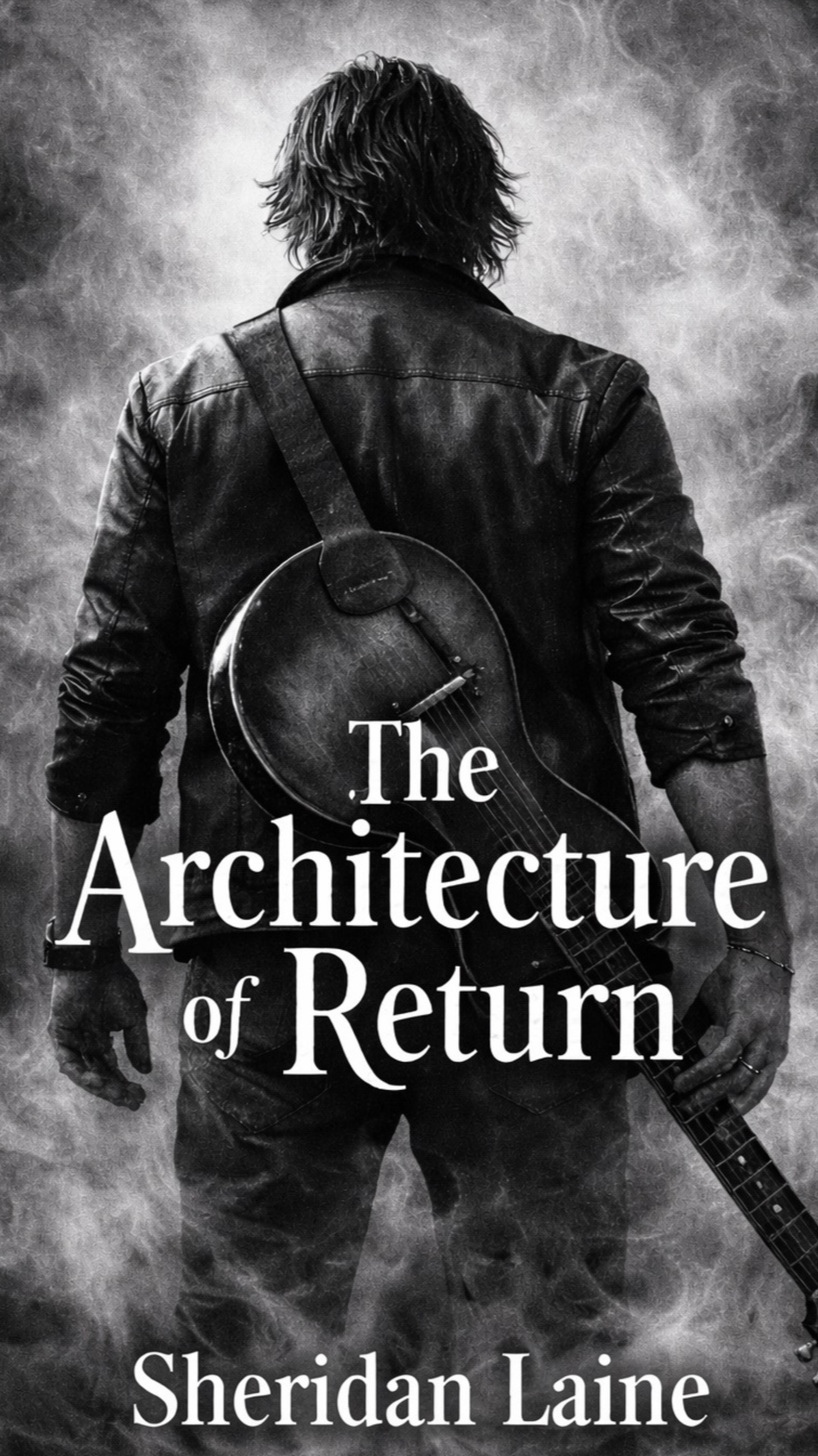
For ten years, Julian Cross has lived inside a version of himself the world helped design. A platinum-selling musician with a reputation for raw honesty, he has learned how to survive fame by controlling the frame—tight schedules, curated silences, and music that says just enough without revealing too much. The applause is deafening. The quiet afterward is worse.
Piper Rossi once knew the man beneath the architecture. As Julian’s partner and creative counterpart, she documented his rise from the inside, capturing the moments no one else saw—until the cost of orbiting his life began to erase her own. When Piper leaves Nashville for Dallas, she doesn’t leave in anger. She leaves to save herself.
Two years later, Piper returns with a career built on her own terms and a body of work that no longer depends on proximity to anyone else’s name. She doesn’t come back looking for reconciliation. She comes back looking for ground. What she doesn’t expect is Julian—no longer chasing momentum, no longer interested in performance, and quietly dismantling the persona that once protected him.
Their reunion is not a collision. It is a reckoning.
As Piper establishes herself in a gritty East Nashville warehouse and Julian retreats from the machinery of his career to rebuild his relationship with the work itself, they are forced to confront the history they never fully resolved. The patterns that broke them haven’t disappeared. They’ve only learned how to wait. Old power dynamics resurface in new forms: success versus autonomy, inspiration versus authorship, love versus selfhood.
When Piper is offered a career-defining opportunity in New York, the choice in front of her isn’t between cities or lovers—it’s between versions of herself. For Julian, the stakes are just as high. To stay aligned with the man he is becoming, he must risk releasing music without spectacle, without strategy, and without the safety of distance.
The Architecture of Return is a quiet, intimate novel about creative ownership, emotional restraint, and the courage it takes to stop performing the roles we’ve outgrown. It is not a story about going back. It is a story about standing still long enough to decide what remains.